How Long Should A Roof Last In Newcastle? (Tile Vs Metal Vs Colorbond)
A roof rarely “fails” all at once. Most roofs age in stages. Small leaks, lifted flashings, cracked tiles or rust spots tend to show up first, often after a run of wet weather or strong winds. The tricky part is knowing what’s normal ageing, what’s a warning sign, and when it’s smarter to repair, restore or replace.
If you’re researching roofing contractors Newcastle homeowners turn to, lifespan is a good place to start, but it’s only half the story. Installation quality, roof pitch, ventilation, and maintenance can add years to a roof or dramatically shorten its life. This guide breaks down what to expect from tile, metal and Colorbond roofs, and how to make a practical call when your roof starts showing its age.
Start With the “Design Life”, Then Adjust for Real Conditions
Most roofs have a typical lifespan, but actual performance depends on installation, ventilation, and maintenance. Comparing Newcastle roofing options should consider both material and system condition.
- An inspection clarifies if your roof shows cosmetic ageing, defects, or overall wear.
- Lifespan depends on materials, workmanship and exposure
- Salt air, storms and strong sun can speed up ageing
- Poor ventilation can trap heat and moisture, affecting performance
- Gutters, flashings and penetrations often fail before the main roof surface
- An inspection helps plan repairs before damage spreads
Tile Roofs: Durable, Heavy, and Not Immune to Leaks
Tile roofs can last a long time, but they’re not maintenance-free. Tiles themselves can remain serviceable for decades, but bedding, pointing, valley irons, flashings and sarking tend to age sooner. Cracked or slipped tiles are common, especially after storms or when foot traffic has been on the roof.
For roofing contractors in Newcastle, property owners seek help that goes beyond simply replacing broken tiles. Tile work often requires identifying water ingress points. Sometimes, repairs suffice. However, if issues are widespread, restoration or full replacement may be more economical.
- Watch for cracked tiles, slipped tiles and damaged ridge capping
- Bedding and pointing can degrade and let water track underneath
- Valleys and flashings can corrode or lift over time
- Leaks may show up inside far from the actual entry point
- Restoring can address multiple weak points at once
Metal Roofs: Fast-Draining, but Watch Fixings and Rust Points
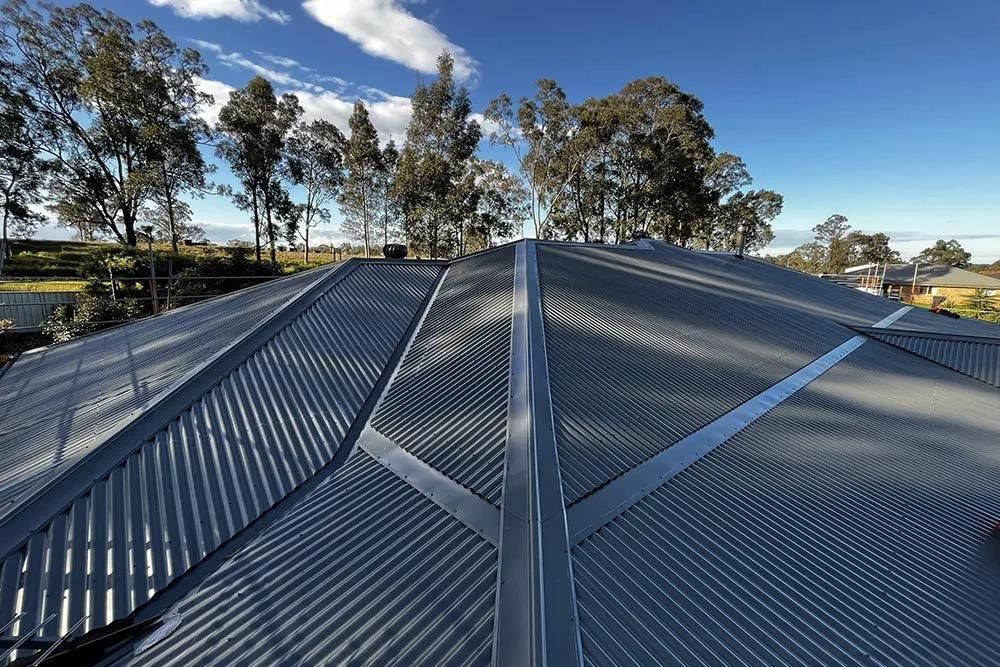
Metal roofs shed water quickly and can handle heavy rain well, but they rely heavily on details: fixings, laps, flashings and penetrations. Over time, screws can loosen, washers can degrade and sheets can shift. Rust usually starts in predictable places like cut edges, around fixings and where debris holds moisture.
When comparing roofing in Newcastle, metal can be a strong option, but it relies on correct installation and regular checks, particularly after severe weather.
- Inspect fixings, washers and sheet laps for movement and wear
- Look for early rust at edges, penetrations and fastener points
- Check flashings around chimneys, skylights and vents
- Keep gutters and valleys clear so water does not back up
- Address small corrosion early before it spreads
Colorbond: What It Is, What Wears First, What To Look For
Colorbond is a steel product suited for Australian conditions, mainly used for roofing and wall cladding. While it ages, early issues tend to be detail-related, like scratches, poor cuts, damaged flashings, or wrong fixings, which can shorten lifespan. Newcastle residents should ask local roofers about the installation system, penetration handling, and ventilation and drainage support.
- Check for scratches and edge corrosion, especially on older roofs
- Inspect flashings and penetrations, not just the main roof plane
- Make sure roof ventilation is considered, not treated as optional
- Look for signs of water tracking around valleys and gutters
- Ask about maintenance steps to protect long-term performance
The Biggest Lifespan Variables: Install Quality, Pitch, Ventilation
Two roofs of the same age and material can perform differently due to quality. Install quality, roof pitch, and ventilation are crucial; errors here cause quicker aging and recurring issues. Choosing a licensed, trustworthy roofer Newcastle homeowners trust is vital. A good roofer inspects beyond surface wear, checking flashings, drainage, fixings, ventilation, and building interface.
- Poor flashing work can cause ongoing leaks, even on new roofs
- Low pitch or incorrect fall can increase pooling and water tracking
- Lack of ventilation can trap heat, stressing materials and seals
- Incorrect fixings can loosen and cause movement over time
- Quality installation reduces the likelihood of repeat repair cycles
Storms and Coastal Air: How Weather Speeds Up Ageing
The weather multiplies risks: wind-driven rain can seep in, strong winds lift components, and salt air causes corrosion. Even inland, salt and humidity affect roofing if maintenance is ignored. Hiring an insured Newcastle roofing contractor ensures proper inspections and repairs, particularly after storms where damage isn’t visible from the ground.
- After storms, check for lifted sheets, displaced tiles and damaged flashings
- Look for gutter overflow marks that suggest drainage issues
- Watch for new ceiling stains or damp smells in the roof space
- Coastal air can accelerate corrosion at edges and fixings
- Regular inspections help catch damage before it becomes internal rot
Warning Signs Your Roof Is Ageing Faster Than It Should
Age doesn't determine replacement; condition does. A 15-year-old roof can be fine, while a newer one might have issues if poorly installed or storm-damaged. Spot early symptoms and act before costly repairs. For Newcastle homeowners, a condition check with a local roofing company is a smart first step to avoid guesswork or premature replacement.
- Water stains, bubbling paint or damp insulation can indicate leaks
- Rust marks on ceilings or fascia can point to corrosion or overflow
- Loose ridge capping, rattling sheets or tile movement need attention
- Moss and debris build-up can hold moisture against the roof surface
- Frequent minor leaks suggest a system issue, not a one-off defect
Repair, Restore, or Replace: The Cost-Effective Call
Repairs are suitable for localised damage, while restoration works for a solid structure with multiple ageing issues. Replacement is best when materials are near end-of-life, problems are widespread, or repairs recur.
For Newcastle homeowners, success depends on clear scope and honest advice. This highlights the importance of choosing a licensed, insured roofer Newcastle residents trust. higher-risk work.
- Repair suits isolated leaks, small rust areas or limited tile damage
- Restoration can renew multiple weak points and improve performance
- Replacement can be the better long-term option when issues are widespread
- Ask for clear explanations of what’s urgent and what can wait
- A staged plan can spread costs while protecting the property
At Lanewoods Roofing, we help homeowners compare roof options and make informed decisions based on condition, not guesswork. If you’re weighing up tile vs. metal vs. Colorbond, or need a clear inspection plan, speak with roofing contractors Newcastle locals trust for straightforward advice. For roofing in Newcastle, property owners can feel confident about working with a licensed roofer Newcastle residents can book, and an insured roofing contractor Newcastle clients can rely on. To get started with a quote or inspection for Newcastle and the surrounding areas, visit https://www.lanewoodsroofing.com.au/.